How to Choose the Best Industrial UV Printer for Your Needs?
Choosing the right Industrial UV Printer can be a daunting task. With many options available, it’s essential to understand your specific needs. Industrial UV Printers vary greatly in features and capabilities. A printer that works for one business may not be suitable for another.
Consider the type of materials you will print on. Some printers excel with rigid surfaces, while others are ideal for flexible materials. Think about the volume of work you expect. A high-demand environment requires a robust and fast printer.
It’s also important to evaluate the manufacturer’s support and warranty. Reliable customer service can save you time and trouble. Reflect on your long-term goals for printing. An Industrial UV Printer is an investment. Taking time to select the right one can enhance your productivity and business growth.
Understanding Your Printing Needs and Requirements
Understanding your printing needs is crucial when selecting an industrial UV printer. Assess the types of materials you plan to print on. Common options include plastics, metals, and wood. Each material may require different settings and ink types, influencing the printer's specifications. For instance, UV printers catering to rigid materials must deliver high adhesion and durability.
Beyond materials, consider the scale of your production. Are you printing small batches or mass quantities? A printer designed for high-speed output might be necessary for large jobs. On the other hand, flexibility for varied designs could suit custom projects better. Think about the resolution you need as well. Higher resolution brings better detail, especially for intricate designs. Reflect on your typical order sizes and how quickly you must fulfill them.
Budget plays a significant role too. While cheaper options are tempting, they may lack quality or features. Ensure that the total cost of ownership fits your financial strategy. Factors like maintenance and ink prices can add up. Evaluate how often you will need to perform upkeep and how it impacts your workflow. It's essential to balance cost with functionality and reliability in your decision-making process.
How to Choose the Best Industrial UV Printer for Your Needs?
| Feature |
Description |
Importance Level |
| Print Size |
Maximum printable area based on your project requirements. |
High |
| Resolution |
DPI settings that determine print clarity and detail. |
High |
| Material Compatibility |
Types of materials that can be printed on, such as wood, plastic, or glass. |
Medium |
| Speed |
Print speed measured in square meters per hour. |
Medium |
| User Interface |
Ease of use and control panel functionality. |
Medium |
| Maintenance Requirements |
Frequency and complexity of required upkeep. |
High |
| Price Range |
Cost of the printer and operating expenses. |
High |
Types of Industrial UV Printers Available on the Market
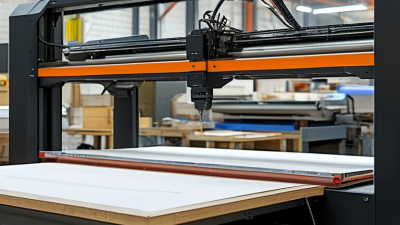
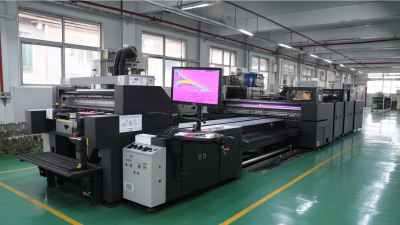
When selecting an industrial UV printer, understanding the types available is crucial. The market offers a variety of UV printers, each catering to different needs. The primary categories include flatbed printers, roll-to-roll printers, and hybrid systems.
Flatbed printers excel in direct printing on rigid materials, making them ideal for signage applications. According to a report by Smithers Pira, this segment accounts for approximately 40% of the UV printer market, driven by rising demand in the signage industry.
Roll-to-roll printers, on the other hand, are designed for flexible materials, perfect for banners and textiles. They are gaining traction, with a reported growth rate of 15% annually, as businesses seek to diversify their product offerings. Hybrid printers combine both flatbed and roll capabilities, providing versatility. This adaptability appeals to many manufacturers, making them a popular choice.
Each type has its strengths and weaknesses. Flatbed printers are often limited in speed but offer high precision. Conversely, roll-to-roll models may struggle with thicker substrates. These trade-offs should inform your decision. Balancing these factors against your specific application needs is vital to selecting the best option for your industrial printing requirements.
Key Features to Consider When Selecting a UV Printer
Choosing the right industrial UV printer requires understanding key features essential for your operations. Print quality stands out as a crucial aspect. Look for a printer that can produce vibrant colors and sharp details. Resolution matters here; higher DPI ensures better results.
Consider the media compatibility as well. A versatile printer can handle various materials like plastics, metals, and wood. This flexibility allows for diverse applications and reduces the need for multiple machines. Pay attention to the curing process too. Fast curing times can boost productivity, minimizing delays in your workflow.
Another significant factor is the printer's ease of use. A user-friendly interface can save time and reduce training costs. However, always reflect on potential limitations. Some models may require frequent maintenance or have software issues. Evaluating these aspects will help ensure you invest wisely in a printer suited for your needs.
Evaluating Cost vs. Performance in UV Printer Options
When evaluating cost versus performance in UV printers, you must consider various factors. First, the initial investment is crucial. A high-quality UV printer might have a higher price but often offers better accuracy and durability. Reports suggest that businesses can save up to 30% on material costs with more efficient printers over time. Lower-quality options may seem appealing but can lead to costs related to maintenance and repairs.
Another factor to assess is the print speed. Many mid-range UV printers offer speeds of around 30 square meters per hour. In contrast, top-tier models can reach speeds exceeding 100 square meters per hour. A slower printer may result in longer project turnaround times, impacting your ability to meet customer demands. Additionally, according to industry insights, the features such as color accuracy and media versatility significantly define the value of a UV printer.
Reliability is another crucial attribute. Printers that frequently break down or require constant calibration can lead to frustrations and lost revenue. Realistic user reviews indicate that up to 20% of lower-cost printers fail to meet basic performance expectations. This disparity underlines the importance of evaluating long-term performance over initial financial savings. Hence, investing more upfront can lead to significant benefits, both operationally and financially.
Maintenance and Support: What to Look For in a Supplier
When selecting an industrial UV printer, maintenance and support are critical factors. A reliable supplier ensures your printer operates smoothly, minimizing downtime. Regular maintenance can reduce repair costs by 30%, according to industry studies. Look for suppliers who offer comprehensive maintenance packages. These packages should include routine check-ups and timely repairs.
Technical support is equally important. Suppliers that provide 24/7 assistance can help you troubleshoot issues quickly. Studies show that printers with dedicated support have a 25% higher operational efficiency. Research the supplier’s response times and customer satisfaction ratings. This information is vital to assess their reliability.
Finally, consider the availability of spare parts. After-market support ensures you can easily find components for your device. A supplier’s commitment to stocking replacement parts reflects their dedication to customer service. Poor after-sales support can lead to extended downtime and lost revenue. Having a reliable partner can transform the printing experience, making it efficient and hassle-free.
Maintenance and Support Comparison of Industrial UV Printers